


Note AI: Smart Note Taker
4.4170.00 Reviews
App Specs
- Version
- 2.1.7
- Updated On
- License
- Free
- Downloads
- 500,000+
- Developer
- HubX
- Categories
- Productivity
- Platform
- Android
Screenshots
 Analysis by AppCompare
Ever found yourself scrambling for a pen and paper when a brilliant idea strikes? Well, those days are over, my friends. Let me introduce you to Note AI: Smart Note Taker. This app is like having a personal assistant in your pocket, ready to jot down your thoughts, ideas, and to-do lists whenever you need.
Getting Started with Note AI
When I first downloaded Note AI: Smart Note Taker, I was a bit skeptical. I mean, how smart can a note-taking app really be? But boy, was I wrong. The setup was a breeze. After a quick install, I was greeted with a clean, user-friendly interface that made me feel right at home.
The app opens with a simple dashboard where you can easily access all your notes. The design is intuitive, so you don't have to be a tech wizard to figure it out. Plus, it syncs seamlessly across devices, which means I can start a note on my phone and finish it on my tablet. Talk about convenience!
Readability and everyday navigation
For a productivity app centered on capturing thoughts, a calm starting screen matters: if I have to hunt through menus while an idea is fading, the tool has already made the task harder. The dashboard described in my experience keeps the basic job—getting to notes—easy to understand. That simplicity can be useful for people who are new to digital note-taking, as well as anyone who prefers a direct route over a workspace crowded with panels.
There is a practical distinction between a quick note and a note that must be found weeks later. I would use tags and checklists selectively rather than trying to build a complicated filing system on day one. A few consistent labels, such as “work,” “home,” or “ideas,” are easier to remember than a long list of categories. Before relying on any search or organization workflow for something important, I’d test it with a handful of sample notes and settle on a pattern that feels natural.
The app is a free productivity download from HubX, and its store presence shows an average rating of 4.4 from around 9.5 thousand ratings, with more than 100 thousand installs. Those figures suggest that it has reached a sizeable audience, but they are not a substitute for checking whether its way of organizing notes suits you. It is rated for Everyone, and version 1.2.3 is listed for devices running Android 9 or later.
Voice input, accessibility, and real-world conditions
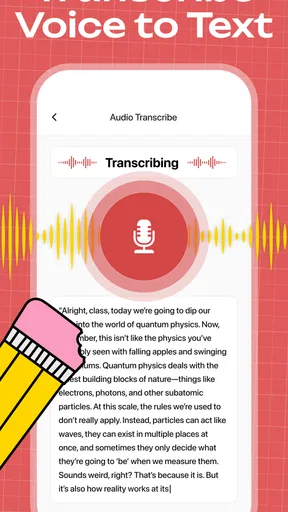
Voice recognition is the feature I’d reach for when typing is awkward: walking between appointments, carrying groceries, or trying to preserve a thought before it disappears. It may also help someone who finds extended typing tiring. The useful habit is to dictate one clear idea at a time, then pause and review the resulting text when it is practical. That small editing step matters because speech recognition can mishear names, punctuation, or words that sound alike.
Worth Reading Before You Choose

EA SPORTS FC Mobile 26 Is a Bigger Football Game, but It Takes Time

Flipboard Shows What News Apps Must Do Beyond the Feed

Switching to Android Auto Means Rethinking Your Driving Routine

Google Calendar Makes a Crowded Week Easier to Manage

Ludo King Makes the Most of the Minutes Between Plans

Baby Panda World Brings Quick Play to Modern Phones, but Its Game Library Feels Busy
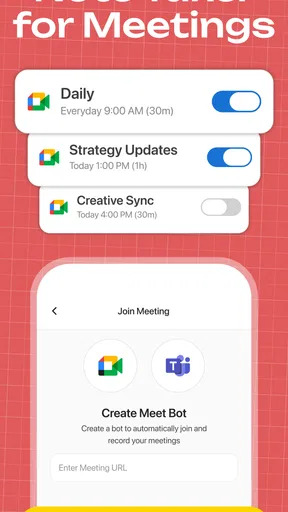
For a realistic day-to-day example, imagine leaving a meeting with two tasks and a question you need to raise later. A short spoken note can capture the rough points while they are fresh; after settling somewhere quieter, you can check the transcript and turn the tasks into a checklist. This is a more dependable workflow than expecting an automatic transcript to be a finished record. In a noisy corridor or a room where speaking would disturb others, typing a brief reminder is the sensible fallback.
Voice controls and typed notes serve different bodies and situations, but neither automatically solves every access need. People who rely on precise visual contrast, larger text, screen readers, switch access, or other assistive settings should check the app directly on their own device before making it central to daily work. I would not assume that a clean-looking interface guarantees compatibility with every accessibility preference. Likewise, anyone who cannot comfortably speak aloud in shared spaces may find the voice-first moments less convenient than the headline feature suggests.
There is a broader trade-off here: transcription can reduce the physical effort of writing, yet listening back and correcting errors still takes attention. If a note is short and exact wording matters—an address, a deadline, or a medication instruction—I’d verify every detail rather than trust the first pass. For longer, low-stakes brainstorming, a rough transcript may be enough to preserve the idea for later.
Where it fits among note-taking options
Note AI is best considered when spoken capture and AI-assisted note-taking are central to what you want. A plain notes app can be a better choice for someone who mainly types brief reminders and values a familiar, minimal tool. A document editor makes more sense for polished writing with formatting and revision, while a dedicated task manager is likely a better fit when the main need is managing projects, dependencies, or shared assignments. I would choose based on the job, not on the promise of a single app replacing every tool.
One non-obvious tip is to use voice capture for the first draft, not the final version. Dictate the idea in natural language, then add a short heading and a few keywords that will make sense to your future self. Another is to separate facts from follow-up actions: a meeting note can preserve what was discussed, while a checklist records what you personally need to do. That keeps a transcript from turning into a wall of text that is technically saved but difficult to act on.
The app’s listing describes it as free, while also showing in-app purchases ranging from $6.99 to $79.99 per item. I’d start by testing the free experience with ordinary notes before considering any purchase, especially if you only need occasional dictation. If your workflow depends on a particular capability, check that it is available in the version you intend to use before building a routine around it. The listed release date is February 28, 2025, so I’d also keep expectations grounded: a young product may change, and a current version number alone does not tell me whether it has every advanced feature found in older, established alternatives.
Strengths, limits, and who should choose it
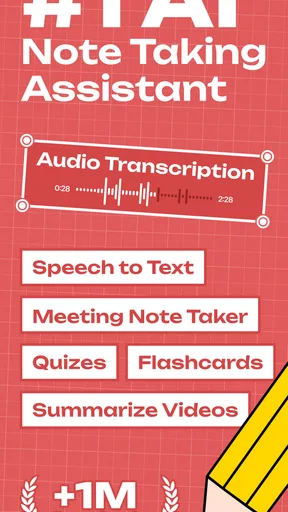
What really sets Note AI apart from other note-taking apps is its advanced AI capabilities. This isn't just about typing out notes; it’s about transforming how you capture ideas. Here's a quick rundown of what I found impressive:
- Voice Recognition: Sometimes you just don’t have the time to type. With Note AI, you can dictate your notes and watch as the app transcribes them in real-time. It's like having your own personal secretary.
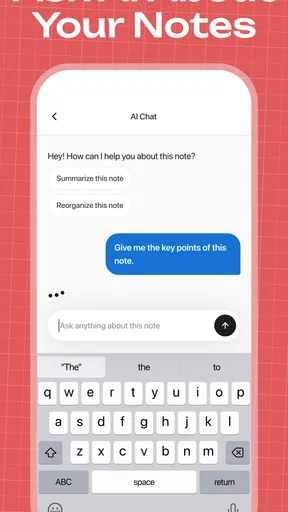
- Smart Suggestions: As you type or dictate, the app learns your style and suggests auto-completions. It's like it reads your mind—perfect for those moments when you're not quite sure how to finish a thought.
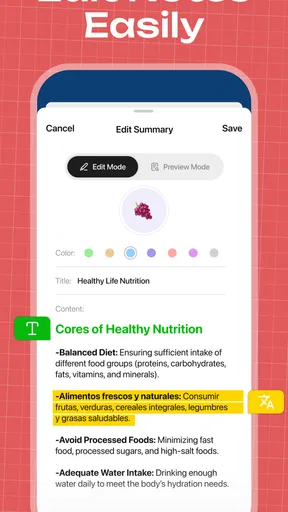
- Organizational Tools: You can tag notes, set reminders, and even create checklists. It's a lifesaver for those of us who need a little help staying organized.
One of the things I love most about Note AI is its versatility. Whether I'm brainstorming ideas for my next article, jotting down a shopping list, or keeping track of my daily schedule, this app has got my back. The ability to categorize and search through notes with ease means I never lose track of important information.
Also, security is top-notch. The app offers encryption for your notes, so all your personal thoughts and sensitive information are well-protected. This added layer of security gives me peace of mind, knowing that my data is safe from prying eyes.
For privacy-sensitive work, I would still treat encryption as one safeguard rather than a reason to record everything. Before storing confidential meeting details, personal health information, or another person’s words, consider whether you have permission and whether a local, approved work tool is required. A quick capture app is convenient, but convenience should not decide where sensitive records belong.
This is a strong fit for people who regularly think aloud, want a quick bridge from speech to editable notes, and are comfortable reviewing what the app captures. Students might use it to save a spoken reminder after class, while freelancers could dictate a rough outline between tasks. It is less compelling if you need shared team workspaces, meticulous document formatting, or a fully hands-off transcript that never needs correction. Those needs call for a more specialized option.
Remaining barriers and practical limits
No app is perfect, and while Note AI is pretty close, there are a few areas where it could improve. For instance, while the voice recognition is generally spot-on, it does occasionally stumble over specific accents or background noise. A little tweak here and there could make it even more robust.
Another point is the limited customization options for the interface. While the current design is clean and functional, having a few more themes or color options could make it more personalized and fun to use.
Those issues affect more than appearance. If a person needs a particular visual presentation to read comfortably, limited customization may be a real obstacle rather than a cosmetic complaint. And when transcription struggles with an accent or noisy surroundings, repeatedly correcting the result can erase the time saved by speaking. My practical workaround is to record short phrases in a quieter moment and check proper nouns immediately, rather than dictate a long, important passage and assume it came through accurately.
Readers may also wonder whether this can replace a conventional note app or whether it is useful without constant voice input. I see it as a focused addition, not an automatic replacement: typed notes, checklists, and reminders make it usable when speaking is inconvenient, but the strongest reason to choose it is still faster spoken capture. If you rarely dictate, a simpler notes tool may feel more direct. If you do dictate often, test your own accent and typical surroundings before depending on it for work that needs a precise transcript.
An inclusive verdict for the right kind of note-taker
Overall, Note AI: Smart Note Taker has quickly become an indispensable tool in my daily routine. It's more than just a note-taking app; it's a powerful tool that helps me organize my thoughts, boost my productivity, and ensure I never miss a beat.
If you're on the hunt for a reliable, intelligent note-taking app that goes beyond the basics, give Note AI a try. It's like having a personal assistant, minus the hefty salary. Plus, it’s available on both Android and iOS, so no one’s left out of the fun. Happy note-taking!
My recommendation is to try it with a small, low-stakes routine first: dictate a shopping list, capture an idea, and see how comfortably you can review and organize the result. That gives you a quick sense of whether speech input, the interface, and the available controls work for you without forcing a full switch from your current system. If the app fits your device and habits, it can make fleeting thoughts easier to keep; if accuracy, customization, or specialized accessibility support is essential, compare alternatives before trusting it with important records.
Pros
- Intuitive and clean interface.
- Advanced voice-to-text capabilities.
- Seamless cloud syncing.
- Customizable note organization.
- AI-powered suggestions.
Cons
- Limited offline functionality.
- Subscription needed for premium features.
- Occasional lag in voice recognition.
- Restricted export options.
- No dark mode available.
FAQs for Note AI: Smart Note Taker
What features does Note AI: Smart Note Taker offer?
Note AI: Smart Note Taker offers a range of features including voice-to-text conversion, AI-driven organization, and real-time collaboration. It also supports multimedia attachments, allowing users to enhance notes with images, audio files, and videos. The app integrates with calendars and reminders, ensuring that important notes are always accessible when needed.
Is Note AI: Smart Note Taker secure for storing sensitive information?
Yes, Note AI: Smart Note Taker employs robust security measures to protect your data. It uses encryption to safeguard your notes and offers options for two-factor authentication. Additionally, the app allows users to set password protection on individual notes, ensuring that sensitive information remains private.
Can I use Note AI: Smart Note Taker offline?
Absolutely! Note AI: Smart Note Taker offers offline functionality, allowing you to create and edit notes without an internet connection. Once you're back online, the app automatically syncs your notes across all devices, ensuring your information is always up-to-date and accessible anywhere.
How does the AI functionality enhance note-taking in Note AI?
The AI functionality in Note AI: Smart Note Taker enhances note-taking by offering smart suggestions, such as auto-tagging and categorization. It learns your habits over time, providing personalized recommendations for organizing and retrieving notes. This intelligent system makes managing large volumes of information more efficient and intuitive.
Is there a cost associated with using Note AI: Smart Note Taker?
Note AI: Smart Note Taker offers a free version with basic features, perfect for casual users. For advanced features like enhanced AI capabilities, unlimited cloud storage, and priority support, there is a premium subscription available. This tiered pricing ensures users can choose a plan that fits their needs and budget.


